

About Us
About Honey Tree Orchard & Apiary
Heirloom Apples & Apiary in Cedar Bluff, Virginia

I Our Collection
Our Story
Honey Tree Orchard & Apiary is a family-run orchard and apiary in Cedar Bluff, Virginia—a mountain town named for the eastern red cedar—in the Appalachian Mountains of southwest Virginia.
Our apple collection holds 116 heirloom and historic apple varieties. 454 living trees across 21 varieties grow in the orchard (counted September 30, 2026), and about 250 grafts of 95 more varieties are in our greenhouse, ready to plant in April 2027.
Our bee hives live right here at the orchard, among the trees. The bees give us our wildflower honey and the beeswax for our candles, lip balm, and lotion bars.
- September 30, 2026454 living trees across 21 varieties, plus about 250 greenhouse grafts of 95 more varieties
- April 2027Greenhouse grafts planted in the orchard, plus new scion wood grafted for 2027, bringing our apple collection to 188 varieties

“Historic apple cultivars are kept alive by grafting, not by seed.”
II Preservation
A Living Museum of Apples
A name on a nursery tag is a claim of identity; a tree in the ground is a claim of survival.
That’s why we think of Honey Tree Orchard as a living museum. Many of the apples we grow have histories stretching back centuries—cider apples from the English West Country, old American favorites like Roxbury Russet and Baldwin, and Southern Appalachian treasures like Black Limbertwig. Every living tree carries a permanent embossed aluminum identity tag, and we keep a written record of each one.
Our long-term goal is to create a living legacy through the documentation, evaluation, and preservation of these historically significant varieties—a named living collection that can be inherited, plus a written record, and eventually a public book of cultivar life histories. It’s our small part in preserving agricultural biodiversity for future generations.
Enter the Living Museum
III The Apiary
The Bees & What They Make
Our hives sit right in the orchard. From spring’s first tulip poplar to autumn’s final blooms, our bees gather from the wildflowers of the Appalachian Mountains.
- Wildflower honey, raw and filtered, in quarts, 1 lb Muth bottles, and 4 oz Muth bottles
- Honey straws, honey spoons, and honey suckers
- Hand-rolled beeswax taper candles made with ultra-filtered beeswax from our own hives, with no added scents
- Lip balm and lotion bars made with our beeswax, shea butter, and almond oil
The Orchard Today
A walk along the fence, October 2026
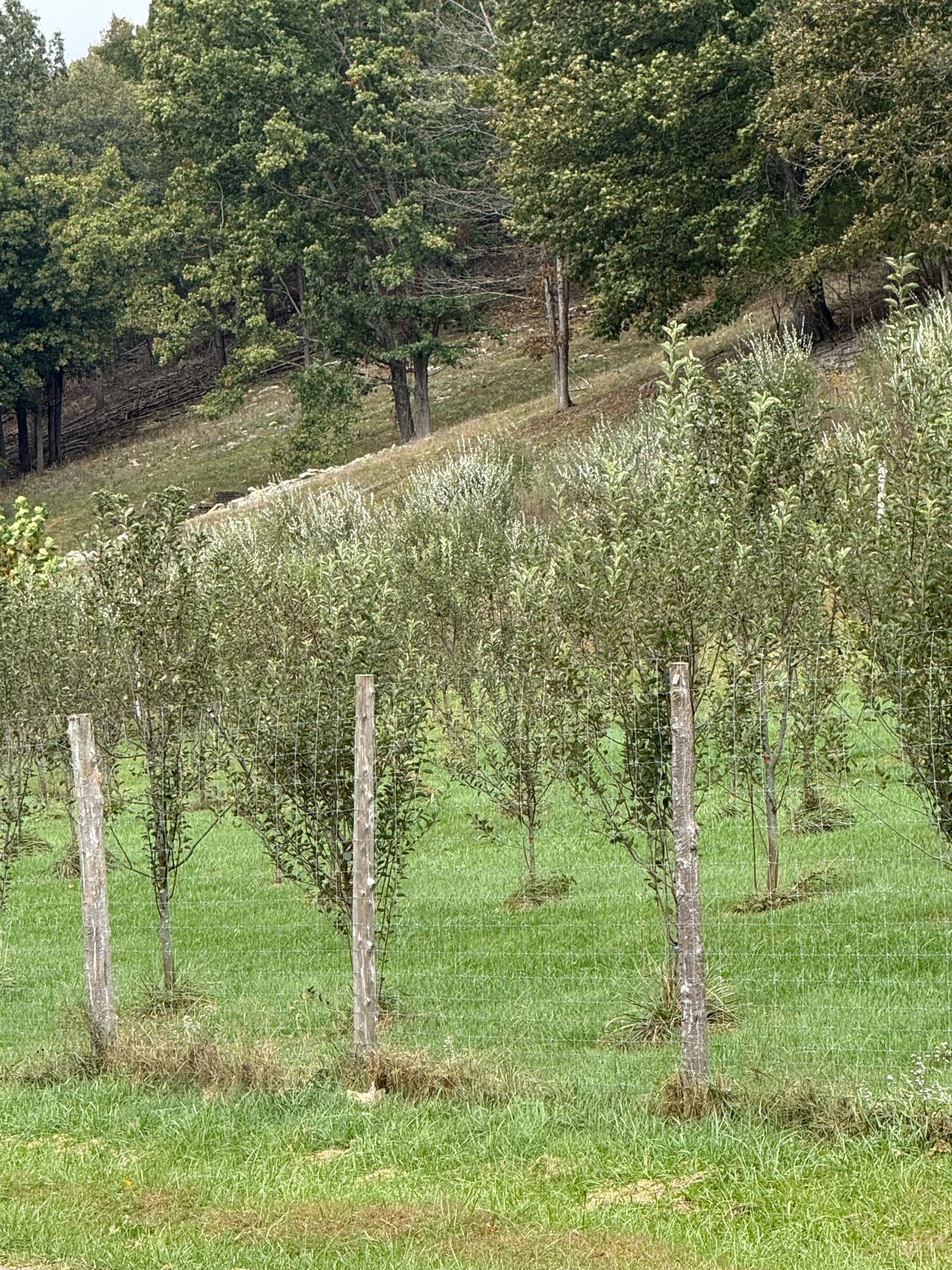
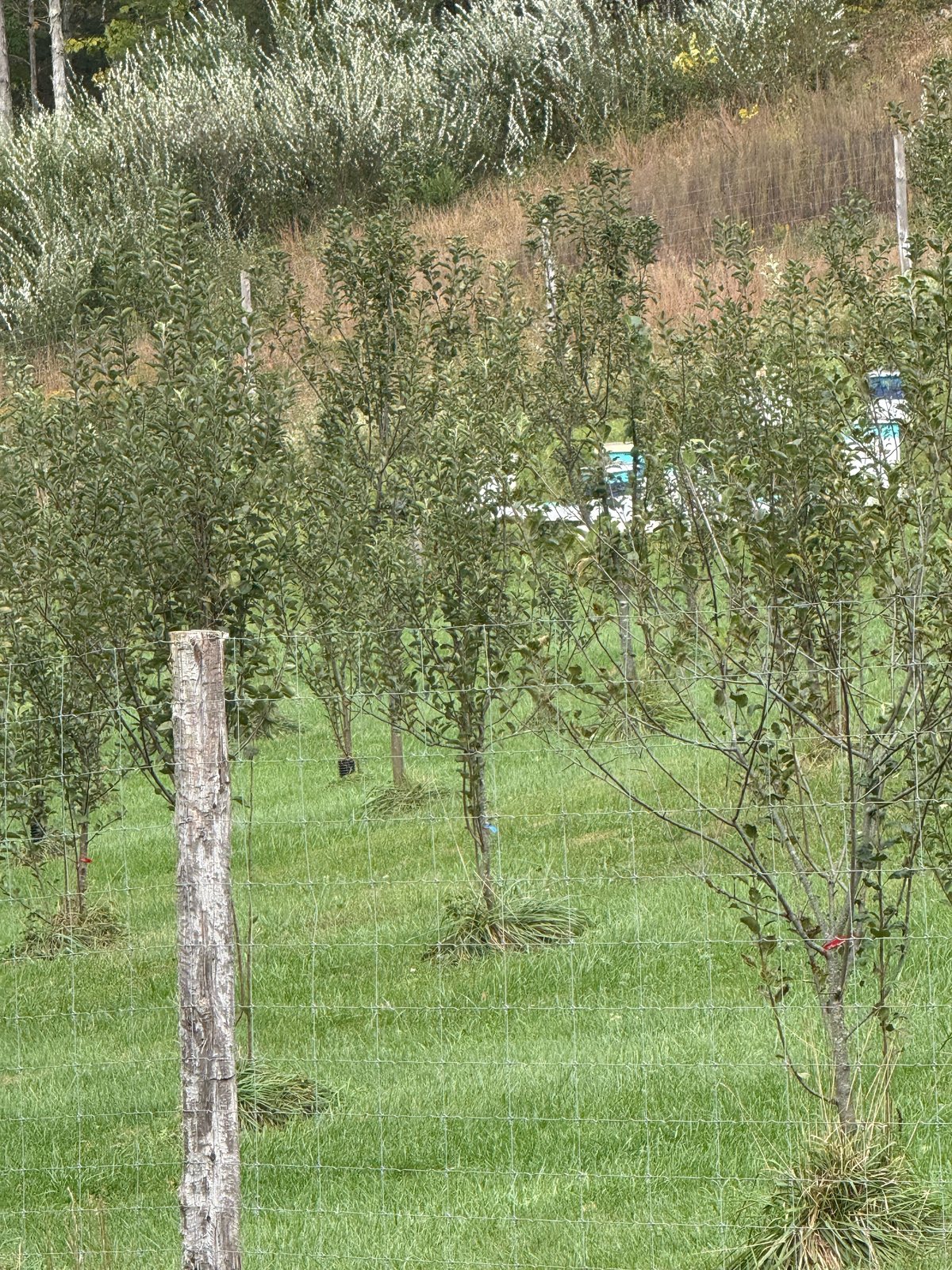
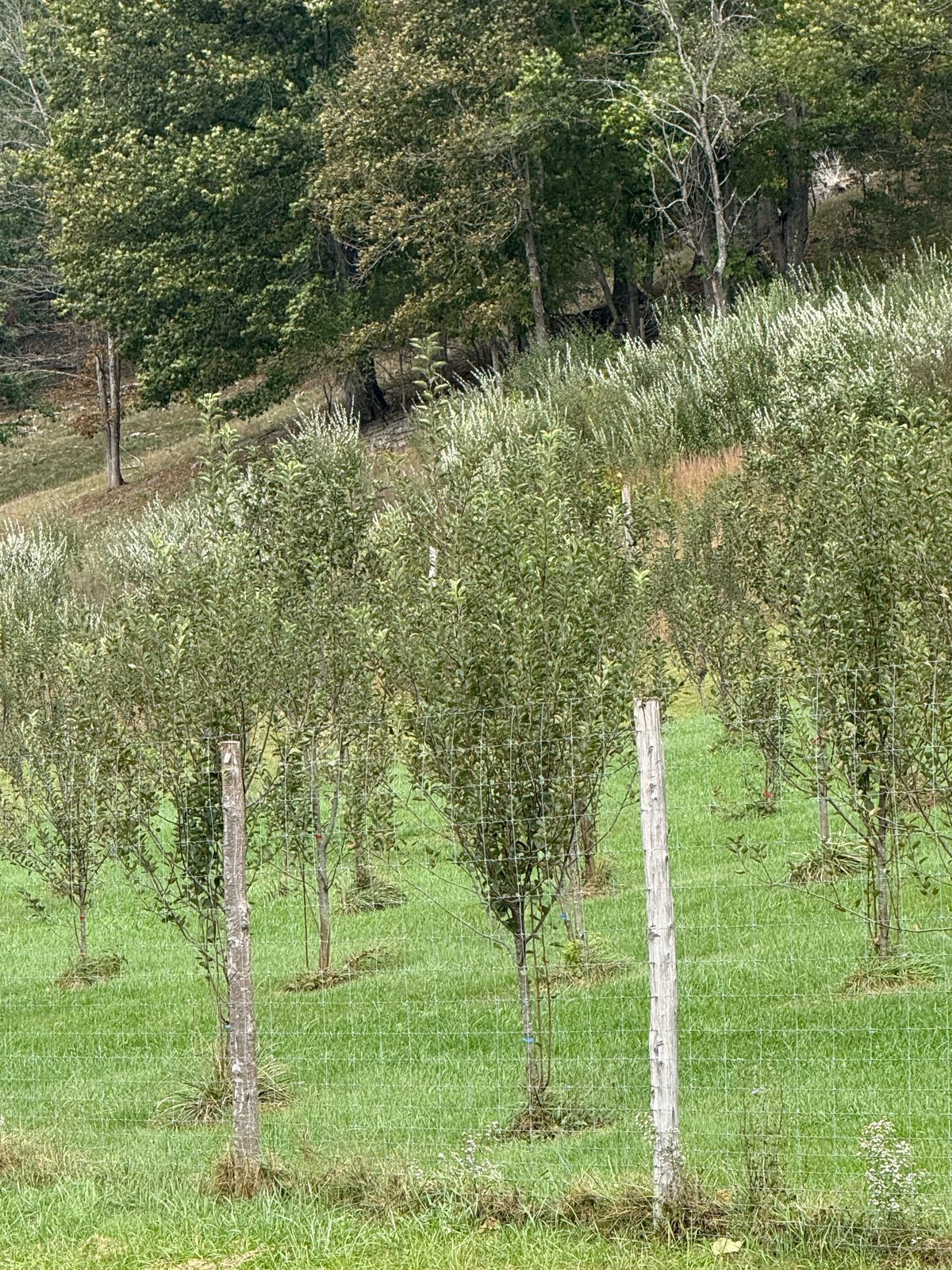
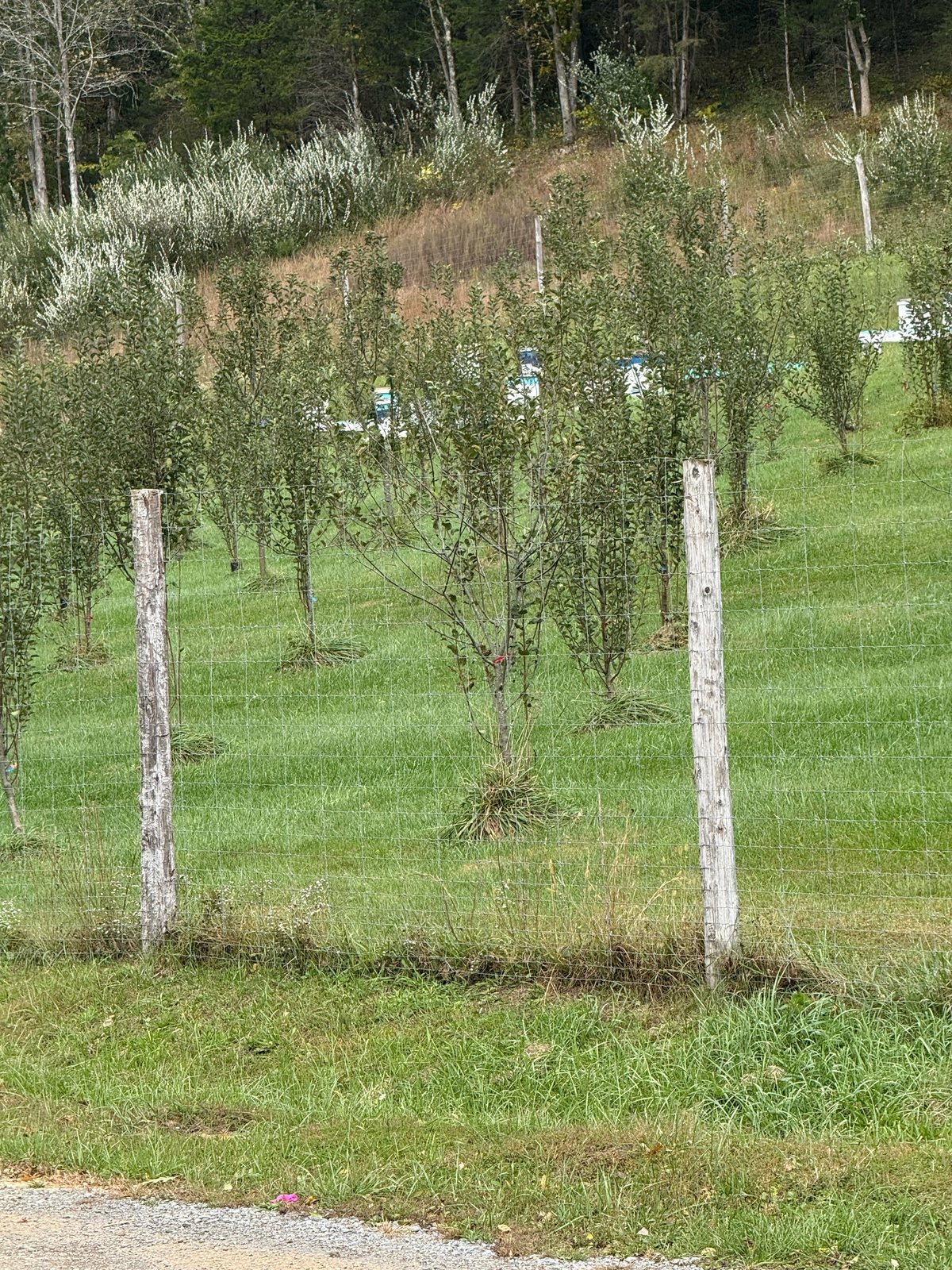
Photographed at the orchard on October 10, 2026.

IV Get in Touch
We’d love to hear from you
Open every day, 9 AM to 6 PM. Call ahead to arrange a visit.
- The orchard
- 720 Honey Creek Lane
Cedar Bluff, VA 24609 - Follow
- Facebook · X (@HoneyTreeOrchar) · YouTube